
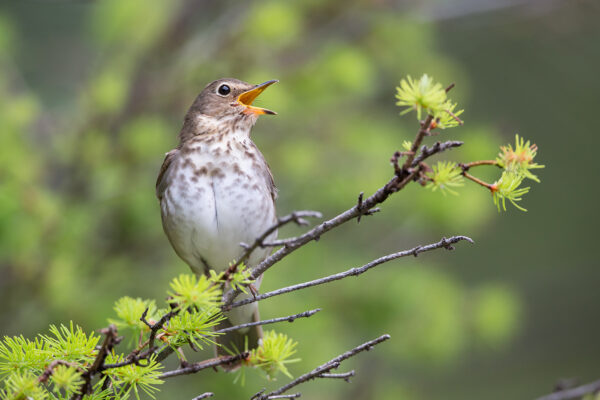
WashU works to protect migrating birds
To protect migrating birds passing through the St. Louis region in late April and May, Washington University in St. Louis is partnering with the Lights Out Heartland initiative to curb light pollution.
DeFake tool protects voice recordings from cybercriminals
Ning Zhang, an assistant professor of computer science and engineering in the McKelvey School of Engineering at Washington University, one of three winners of the FTC’s Voice Cloning Challenge, talks about the technology he created.
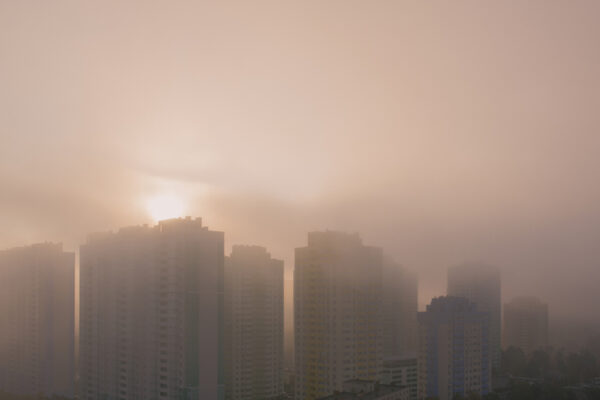
Global study reveals health impacts of airborne trace elements
Researchers at Washington University , led by Randall Martin, investigated global particulate matter, revealing health risks from trace elements.
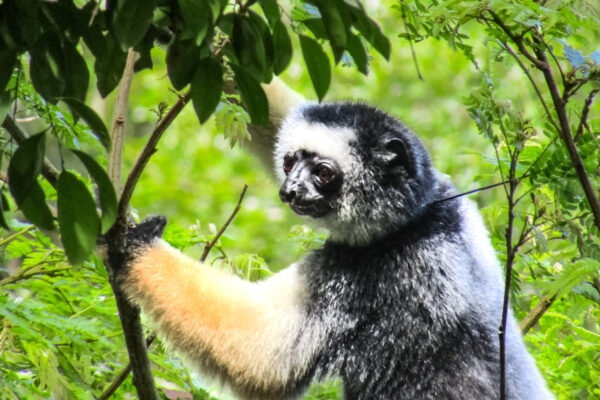
Lemur’s lament
What can be done when one threatened animal kills another? Researchers in Arts & Sciences confronted this difficult reality when they witnessed attacks on critically endangered lemurs by another vulnerable species, a carnivore called a fosa.
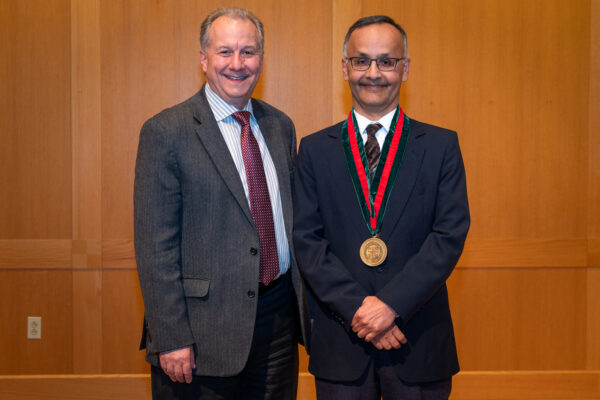
Baruah named Hugo F. & Ina Champ Urbauer Professor
Sanjoy Baruah, an expert in scheduling theory and safety-critical system design, has been named the Hugo F. & Ina Champ Urbauer Professor at the McKelvey School of Engineering.
Nine WashU faculty elected to AAAS
Nine faculty members at Washington University in St. Louis are among the 502 new fellows selected by the American Association for the Advancement of Science, one of the most distinct honors in the scientific community.
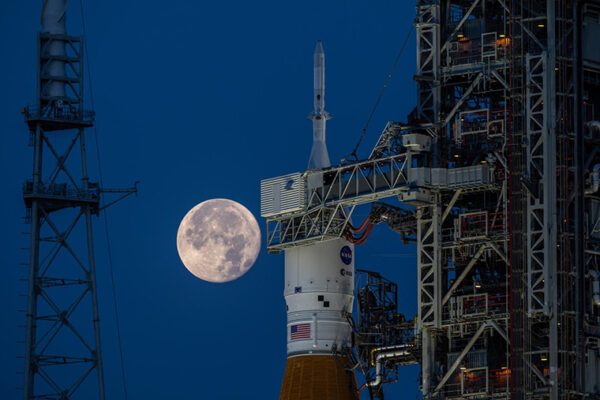
WashU to manage data for instrument on Artemis moon mission
Washington University in St. Louis will manage data processing and dissemination for the Lunar Environment Monitoring Station, one of the first three potential payloads selected for Artemis III, NASA’s mission which will return astronauts to the moon for the first time in more than 50 years.
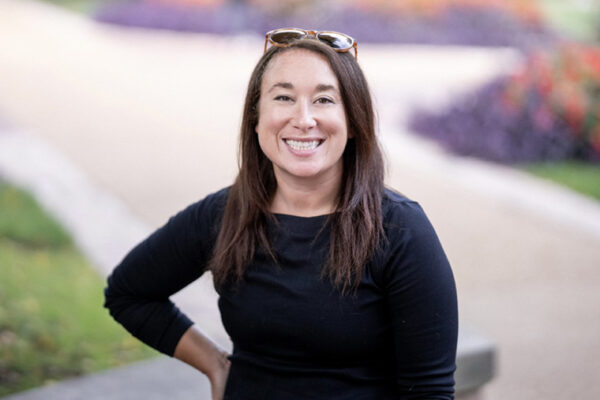
Masteller wins NSF CAREER award
Geoscientist Claire Masteller in Arts & Sciences will look at the erosive power of ocean waves on rocky coastlines with a CAREER award from the National Science Foundation.
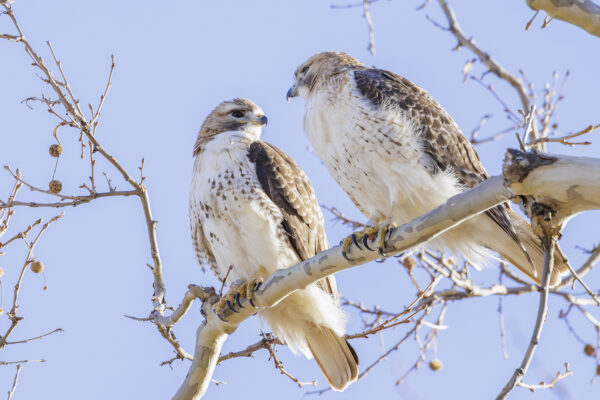
Scientists track red-tailed hawks nesting near WashU campus
Researchers with the Forest Park Living Lab have been tracking these two hawks’ movement data since December. Through work tracking a variety of animals, the project is providing a map of health and movement that can guide conservation steps.
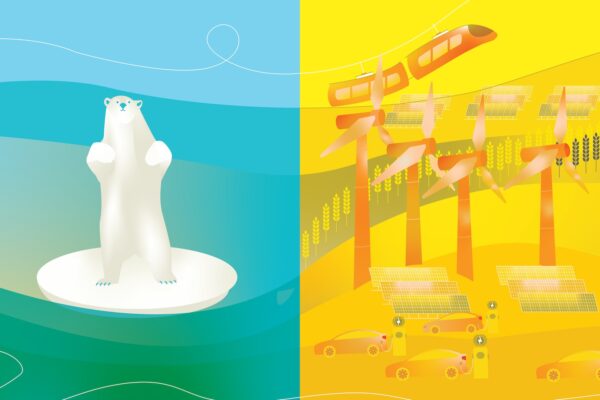
Evidence isn’t enough
In the undergraduate course “Beyond the Evidence,” students learn how science communication and moral worldviews intersect.
Older Stories