


Researchers at Washington University in St. Louis are proposing to borrow a process used in breweries and wastewater treatment facilities to make corn ethanol more energy efficient. They are exploring the use of oxygen-less vats of microorganisms that naturally feed on organic waste produced from the ethanol fermentation process.
As bacteria break down waste, they release energy, methane, which can be funneled back through the system to help power a plant. The process requires little additional energy to run, and can further cut down on energy costs by producing power for the ethanol plant.
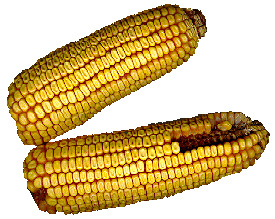
management to make corn ethanol production more energy efficient. It involves an oxygen-free environment and microorganisms that naturally feed on organic waste. It could result in a 50 percent reduction of natural
gas use in the ethanol production process.
management to make corn ethanol production more energy efficient. It involves an oxygen-free environment and microorganisms that naturally feed on organic waste. It could result in a 50 percent reduction of natural
gas use in the ethanol production process.
Lars Angenent, Ph.D., adjunct professor of energy, environmental and chemical engineering and associate professor of biological and environmental engineering at Cornell University, together with his WUSTL team has tested anaerobic digestion on waste from ethanol plants and found that the process could cut down an ethanol facility’s use of natural gas by 50 percent. They published the results in the recent issue of the journal Environmental Science and Technology.
A complete story on the research is available at the Massachusetts Institute of Technology’s Technology Review: http://www.technologyreview.com/Energy/21266/?a=f
According to Angenent, the process would serve as a short-term solution until more-efficient biofuel, such as cellulosic ethanol, is commercially viable. “Rather than have hope for new technology that comes to fruition in 10 or 20 years, we need technology we can implement now,” says Angenent, in the Technology Review article. “This is an interim process, and it’s off the shelf.”
Nearly all ethanol biofuel in the United States is made from corn. In most cases, the ethanol production yields organic waste that is then consolidated into a dry, cake-like substance and a solution, called thin stillage. This is used as animal feed. Angenent says that a large portion of this feed, particularly thin stillage, laden with salts, provides low nutritional value but may have high energy potential for powering a plant when broken down via anaerobic digestion.