
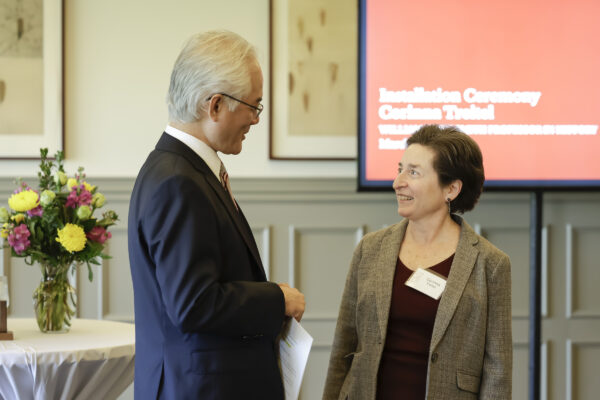
Treitel installed as Willilam Eliot Smith Professor in History
Corinna Treitel, a professor and chair of history in Arts & Sciences at Washington University in St. Louis, was installed recently as the university’s William Eliot Smith Professor in History.
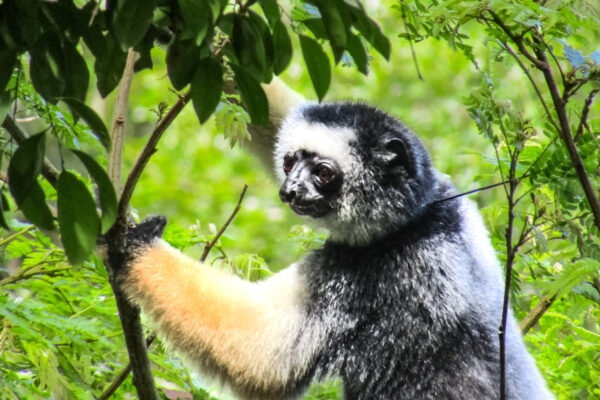
Lemur’s lament
What can be done when one threatened animal kills another? Researchers in Arts & Sciences confronted this difficult reality when they witnessed attacks on critically endangered lemurs by another vulnerable species, a carnivore called a fosa.
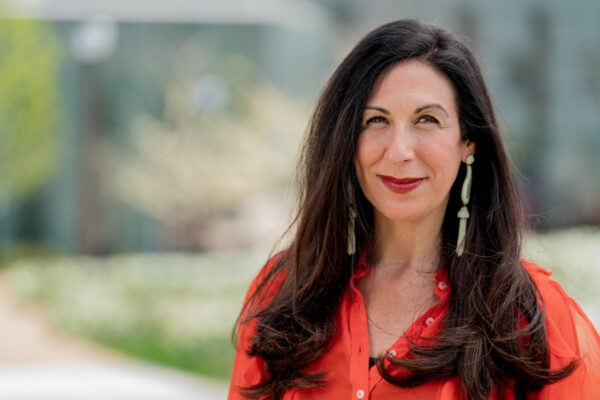
Study highlights importance of caregiver well-being in Uganda
A group-based curriculum called Journey of Life — delivered over 12 sessions in the Kiryandongo refugee settlement in Uganda — led to improvements in mental health, social support, parental warmth and attitudes around violence against children, finds a new study from the Brown School.
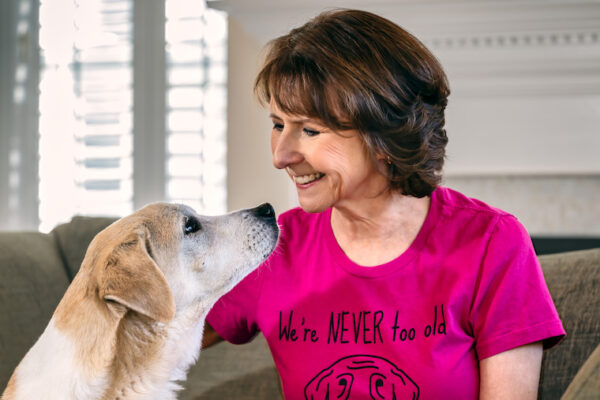
Helping every dog have its day
Alumna Lisa Lunghofer advocates for animals in need.
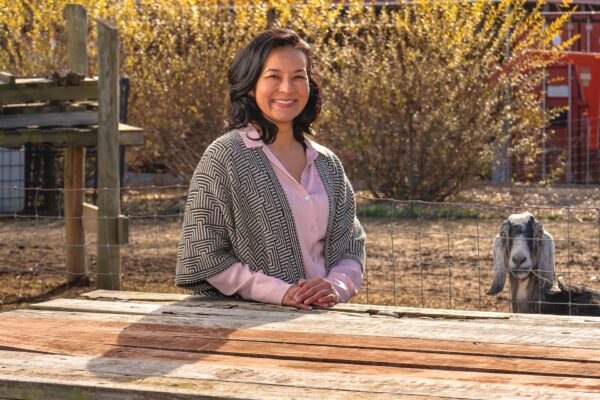
Planting and cultivating seeds through connection
In her work with local organizations to promote health and wellness in the St. Louis region, Diana Parra Perez sees the power of solidarity.
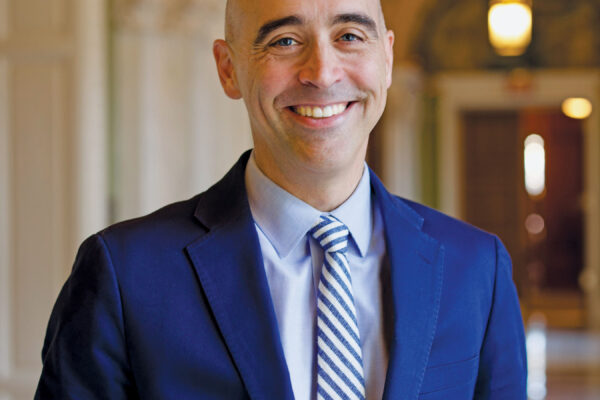
Bridging humanities research and federal legislation
Kevin Butterfield, PhD ’10, is director of the John W. Kluge Center at the Library of Congress, a humanities research center that also educates lawmakers.

The messy middle
Laura Meckler, AB ’90, goes back to her hometown of Shaker Heights, Ohio, to examine the city’s history of racial equity.
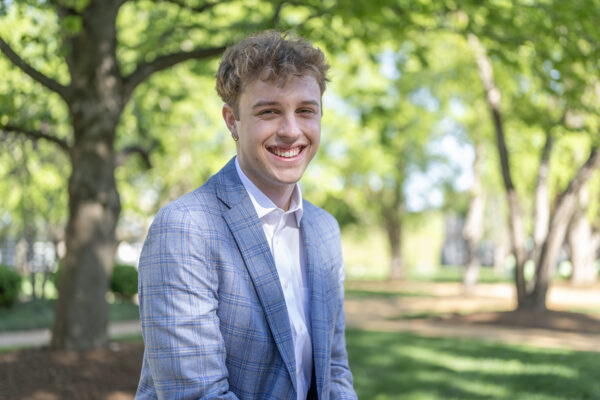
Junior Seiler awarded Truman Scholarship
Isaac Seiler, a junior studying sociology in Arts & Sciences, has won the prestigious Truman Scholarship, the leading graduate fellowship for students who are committed to careers in public service.
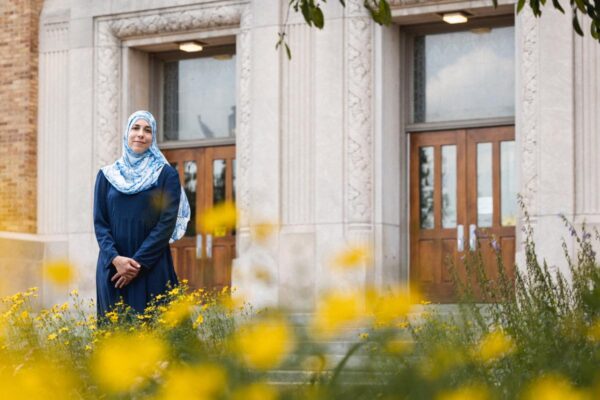
Elmesky receives William H. Danforth St. Louis Confluence Award
Rowhea Elmesky, an associate professor of education in Arts & Sciences, received the William H. Danforth St. Louis Confluence Award, which recognizes WashU researchers and community partners who are working together to address our region’s challenges. For the past decade, Elmesky has partnered with students and educators at University City High School to build a school culture where everyone feels valued.
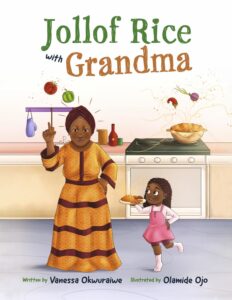
Jollof Rice With Grandma
Cook along with Ada and her Grandma as they make Jollof Rice! In this book, Ada is a 6 year old girl who loves cooking and learning. She is part of an international family. Her grandparents are visiting from Nigeria and she is very excited! Her Grandmother has promised to cook a popular dish enjoyed by millions!
Older Stories