
WashU’s Bear Cubs Running Team gets kids with disabilities in the game
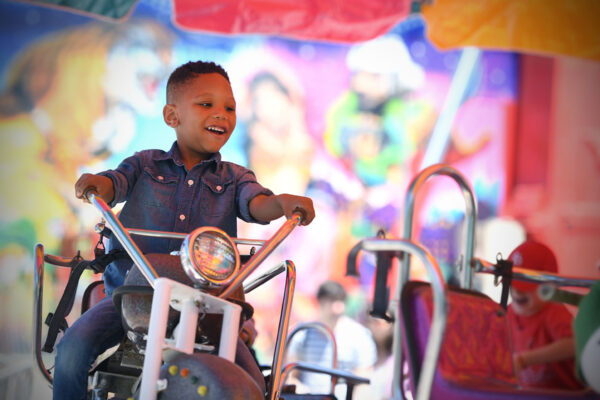
Now in its ninth year, the Bear Cubs Running Team serves children with physical and developmental disabilities and their siblings. Every Sunday, 100 “cubs” and their coaches meet at WashU for stretching, games and socializing. The season will end April 21 with a big race on the track at Francis Olympic Field.




From the experts
Find an expert
Perspectives
Why luck plays such a big role in hockey
In my new book “The Random Factor,” I explain why of the five major U.S. team sports – basketball, football, baseball, hockey and soccer – the one with the greatest amount of luck involved in wins and losses is hockey, writes Mark Rank.
The backlash against diversity, equity and inclusion in business is in full force − but myths obscure the real value of DEI
Given that research shows workforce diversity helps companies boost profits, it’s surprising to me that more leaders don’t take this approach. The alternative is letting a false narrative that imperils their growth go unchallenged, writes Adia Harvey WIngfield.
Employers can set families up for success by providing paid new child leave
Missouri employers can become global leaders in offering benefits packages that provide paid new child leave and ensure their continued competitiveness in an ever-globalizing labor market, writes PhD student Nicole Strombom.
Videos
WashU balloon goes over big
For the first time, WashU sponsored a hot air balloon in the Great Forest Park Balloon Race, an annual hot air balloon festival held in Forest Park. “Time Traveler” was among the dozens of entrants that delighted the STL community Sept. 15-16, 2023.
Bookshelf
Can’t we all just get along?
A new book from the School of Law’s John Inazu offers a path for disagreeing productively and living joyfully in our divided society.